
Introduction: The Urgent Need for Urban Efficiency
By 2050, nearly 70% of the world's population will live in cities. This rapid urbanization creates unprecedented pressure on infrastructure, energy grids, and waste systems. Traditional management methods are no longer sufficient; we need data-driven, autonomous responses to maintain liveability.
"Effective urban management in the 21st century is a data problem. IoT isn't just a luxury; it's the nervous system of the modern city."
Intelligent Traffic Management
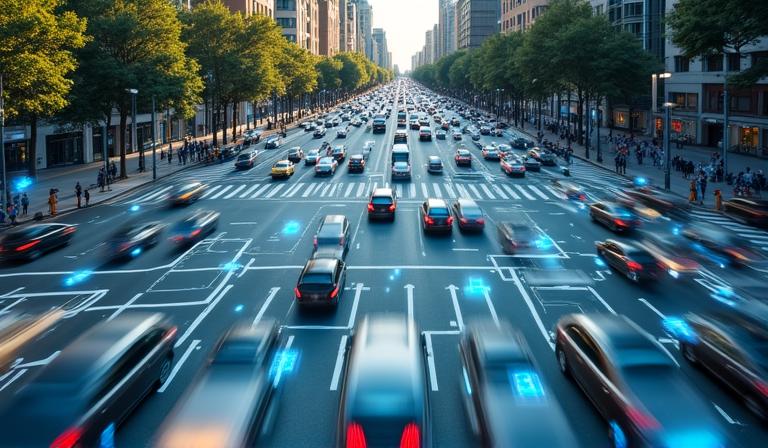
Congestion costs economies billions and impacts air quality. Argus's distributed sensor nodes monitor traffic density in real-time, feeding data to AI-driven signaling systems that adjust light timings dynamically, reducing idle time by up to 25%.
Waste Management Optimization: 30% Emission Reduction
Traditional waste collection follows fixed routes, often collecting half-empty bins or missing overflowing ones. Our IoT-enabled smart bins communicate their fill level in real-time.
Reduction in CO2 Emissions from optimized routing.
By optimizing collection routes based on actual need, municipal fleets reduce fuel consumption, wear and tear on vehicles, and noise pollution in residential areas.
The Argus Approach: Unified Platform Integration
Most smart city initiatives fail because of data silos. Argus IoT Labs provides a single, secure gateway for all municipal data. Whether it's water quality sensors, smart lighting, or emergency response coordination, our platform acts as the central brain of your city.
Conclusion: Connectivity is Mandatory
The transition to a Smart City is no longer an optional upgrade; it is a necessity for sustainable growth. Cities that embrace IoT today will be the centers of economic activity and high quality of life tomorrow.
Ready to transform your municipality? Contact Argus IoT Labs to discuss a pilot program tailored to your city's specific challenges.